Exploring Creativebug: A Digital Resource for School Libraries and Makerspaces
What is Creativebug?
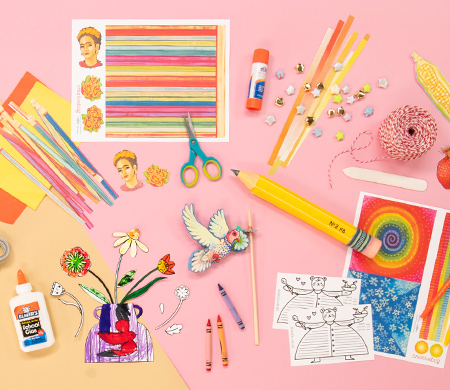
Creativebug is a subscription-based resource that gives users access to thousands of video classes in art, crafts, and DIY projects.
The platform covers a wide variety of topics including drawing, painting, sewing, knitting, bookbinding, jewelry-making, and paper crafting. Many classes focus on beginner skills, but there are also more advanced workshops for students and staff who want to challenge themselves creatively.
Each class is led by a practicing artist, designer, or maker, and most classes are organized into short, manageable video segments. In addition to the videos, users can access templates, supply lists, and printable patterns to support hands-on learning.
Libraries that subscribe to Creativebug provide free access to their patrons through their library card systems or student logins. Users can watch tutorials on demand, making the platform flexible for independent exploration as well as structured programming.
How It Works
Accessing Creativebug through a school library is straightforward. After logging in with the appropriate credentials, users can browse or search for classes by category, skill level, teacher, or even by seasonal project themes.
The interface is intuitive, designed to be approachable even for those who are not regular users of digital learning platforms.
One notable strength is the ability to download resources—this enables librarians to prepare workshop materials ahead of time or offer students printable templates during makerspace sessions.
Why Creativebug for School Libraries?
Although primarily arts-based, Creativebug supports a broader educational mission: fostering creativity, innovation, critical thinking, and problem-solving.
In a time when school libraries are increasingly becoming hubs for **hands-on, inquiry-based learning**, a platform like Creativebug can help librarians offer new types of programming that reach different types of learners.
Key possibilities include:
- Expanding Makerspace Activities:
Many makerspaces focus heavily on technology (like coding or 3D printing). While important, not all students are drawn to tech-driven projects. Creativebug can round out a makerspace by offering creative, tactile activities like embroidery, origami, or watercolor painting, providing alternative entry points for students who prefer artistic expression.
- Themed Workshops and Pop-Up Stations:
Librarians could use Creativebug tutorials to host lunchtime or after-school workshops. For example, a library could run a "DIY Journals" session using the platform’s bookbinding tutorials or a "Learn to Knit" club using fiber arts lessons.
- Supporting Curriculum Goals:
Creativebug projects could tie into classroom learning. After a poetry unit, students could design handmade poetry books. During Earth Day, students could create upcycled crafts. Working with teachers, librarians can select tutorials that enhance the curriculum creatively.
- SEL and Mindfulness Programming:
Many activities — such as slow stitching, doodling, or simple paper crafts — support mindfulness practices. Integrating creative activities into library programs can help support students’ social-emotional learning needs by offering stress relief and self-expression opportunities.
- Summer Reading and Take-Home Kits:
Creativebug projects can be adapted into take-home craft kits that align with summer reading programs or remote learning initiatives. Students could log in to Creativebug from home, follow the tutorials, and share their projects with the school community.
Strengths
- High-Quality Content: Professionally produced videos make it easy for students to follow along without frustration.
- Range of Skill Levels: Beginner-friendly classes ensure accessibility, while more advanced projects offer challenges for older or more experienced students.
- Self-Paced Learning: Students can learn at their own speed, encouraging autonomy and ownership over the creative process.
- Printable Resources: Templates, patterns, and supply lists are available for many projects, making it easier for librarians to organize group activities.
Limitations
- Arts-Focused Scope: Creativebug is less useful for students interested in robotics, engineering, or tech-heavy projects. It complements but doesn’t replace other types of makerspace activities.
- Supply Access: Many projects require specific art supplies that may not be readily available. Librarians would need to plan carefully to ensure equity and access for all students.
- Discovery Overload: With thousands of classes available, some students may feel overwhelmed. Structured playlists or librarian-curated recommendations would help students navigate options.
Ideas for Implementation:
Here are a few ways librarians could thoughtfully integrate Creativebug into school programming:
- Curated Class Playlists: Build age-appropriate collections of recommended classes (e.g., "Middle School Makers," "Quick Crafts for After School," "Mindful Art Projects").
- Student-Led Clubs: Support student creativity and leadership by letting them choose classes and organize peer-led crafting sessions.
- Teacher Partnerships: Collaborate with teachers to use Creativebug tutorials in interdisciplinary projects — such as illustrating a science concept or creating artifacts for a history project.
- Rotating Makerspace Stations: Set up weekly or monthly pop-up stations featuring a Creativebug project, complete with supplies and a QR code linking to the tutorial.
Final Thoughts
Creativebug isn’t designed specifically for K-12 education, and it won’t meet every makerspace need. However, it offers school librarians a flexible, well-designed tool for supporting creative thinking, hands-on learning, and student voice and choice in a library setting. By thoughtfully curating content and integrating it into library programming, librarians can empower students to explore new skills, express themselves artistically, and develop a lifelong appreciation for creative learning.
As a future librarian, I’m excited by the possibilities platforms like Creativebug offer—not just for expanding programming, but for reimagining what library spaces can be: dynamic, welcoming, and deeply creative environments where every student can find a way to engage.


Comments
Post a Comment