LIS 568 Review - Code.org for AI
Unlocking the Future of AI: A Review of Code.org’s Artificial Intelligence Curriculum for School Libraries
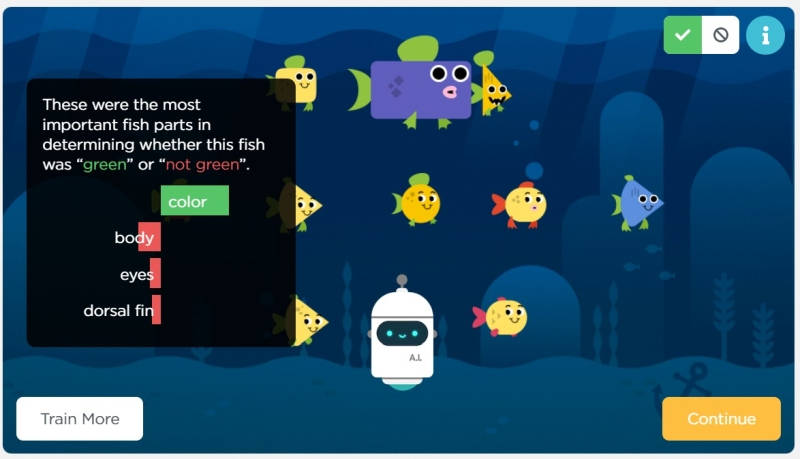
As a school librarianship student and a kindergarten teacher, I’ve seen firsthand the incredible potential that artificial intelligence (AI) has in the classroom. AI isn’t just about smart machines or algorithms—it’s about critical thinking, creativity, and problem-solving. And as educators, it’s our job to help students understand these tools, not fear them. That’s why I’m excited to share my experience with Code.org’s Artificial Intelligence Curriculum—a resource that can introduce middle and high school students to the world of AI in a fun, engaging, and educational way.
I know many people still feel uneasy about AI, but from my personal experience as a teacher, I’ve come to appreciate how AI can be a powerful tool for learning. I’ve used it to come up with creative lesson ideas for my kindergarten students, and I’ve seen how much more efficient and innovative learning can be when we embrace technology responsibly. But I also recognize that AI education comes with great responsibility—especially for our students. Middle and high schoolers need to become critical, ethical users of AI, understanding its benefits and potential pitfalls.
In this blog post, I’ll walk you through how to use Code.org’s AI curriculum in your library or classroom, step by step, and share how this curriculum can benefit both librarians and students.
What is Code.org’s AI Curriculum?
Before diving into the steps, let’s quickly talk about what makes Code.org’s AI curriculum relevant. The curriculum introduces students to the core concepts of AI through interactive lessons and activities, such as:
- What AI is and how it affects our daily lives
- How AI works, including concepts like machine learning and neural networks
- The ethics of AI, such as bias, privacy, and fairness
The beauty of this curriculum is that it’s designed to be accessible to all students, from beginners to more advanced learners. They get to train their own AI models and dive deep into real-world AI applications, all while learning about how AI can be used ethically in society.
Step-by-Step Guide: How to Sign Up as an Educator on Code.org
Now, let’s jump into how you can start using this curriculum in your school library or classroom. Follow these steps to sign up and navigate the AI curriculum on Code.org:
Step 1: Visit the Code.org Educator Page
Go to [code.org/educate](https://code.org/educate), which is the main page for educators on Code.org. This is where you’ll get access to all of Code.org’s teaching resources, including the AI curriculum.
Step 2: Sign Up for an Educator Account
- Click on “Sign Up” at the top-right corner.
- Enter a valid email address and create a password. You can also sign up using your Google or Microsoft account if that’s more convenient.
Step 3: Select Your Role
After signing up, you’ll be asked to choose your role. Since you’re an educator (librarian or teacher), select the appropriate role. This will give you access to lesson plans, student tracking tools, and all the resources you need to teach AI.
Step 4: Explore the Curriculum
Once you’ve signed up, you can access the curriculum catalog. Here’s what you do:
- After logging in, click on the course catalog tab.
- For AI only courses, you will click Topic, then Artificial Intelligence. You’ll see a list of courses, such as Exploring Generative AI, How AI Works, Focus on Impact in Society, etc.
- Click on the course you want to explore, and you’ll find a full set of lessons, activities, and guides to help you teach students about AI.
Step 5: Assign Lessons to Students
You can create a class within Code.org and assign specific AI lessons to your students. As they complete their work, you can track their progress, identify areas for improvement, and even provide feedback on their projects.
How to Use Code.org’s AI Curriculum in Your School Library
Now that you’re all set up as an educator, here’s how you can bring AI education into your school library:
1. Host AI Workshops
Consider creating a series of AI workshops in your library. You can use the curriculum as a basis for fun, interactive lessons where students explore AI concepts hands-on.
2. Set Up an AI Exploration Station
Create a dedicated AI station in your library where students can access computers or tablets to explore AI topics at their own pace. You can provide AI books, interactive modules, and even small coding projects to inspire independent learning.
3. Collaborate with Teachers
AI isn’t just for computer science classes—it can be integrated into many different subjects. Work with your school’s teachers to introduce AI in. For example, you may suggest teachers to assign Generative AI in Humanities in a social studies class.
By collaborating with classroom teachers, you can help students see how AI is interconnected with different subjects.
Why is AI Education Important for Students and Librarians?
We live in a world increasingly shaped by AI, and it’s important that students become critical consumers and ethical users of this technology. As a future librarian, I believe we play a pivotal role in introducing students to AI concepts. Here’s why it’s so important:
- For Students: They’ll gain critical thinking and problem-solving skills, and they’ll be better prepared for the future, whether they want to pursue a career in AI, data science, other fields that rely on technology, or truthfully, have an advantage in the modern world.
- For Librarians: As we embrace new technologies, we can become guides in helping students navigate complex ethical questions surrounding AI. We’re in a prime position to offer resources, guidance, and discussions that encourage responsible AI usage.
Conclusion: Embrace AI in Your Library
AI is an exciting and rapidly evolving field, and it’s important to introduce students to its potential while encouraging them to think critically and responsibly about its use. Code.org’s AI curriculum is an amazing resource to start this journey, and it can be easily implemented in your school library, whether through workshops, coding clubs, or independent exploration.
As educators, we have a responsibility to help our students become critical AI users—students who understand the power and responsibility of technology. Let’s embrace AI in our libraries and classrooms, not as something to fear, but as something to explore and use creatively.
Happy Exploring!
- Ahnalese


Comments
Post a Comment